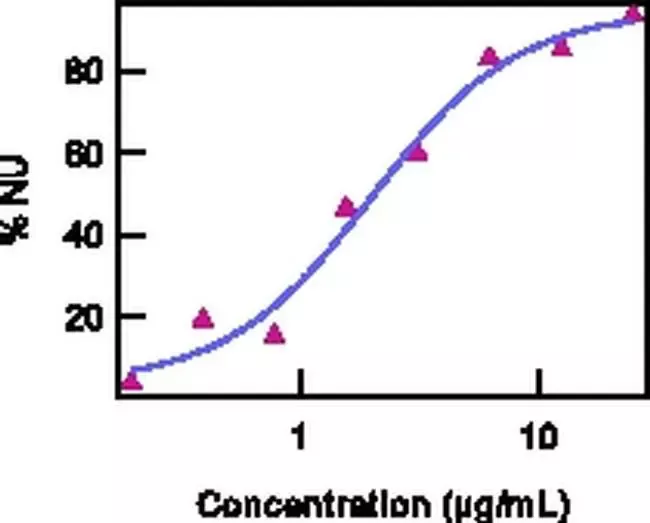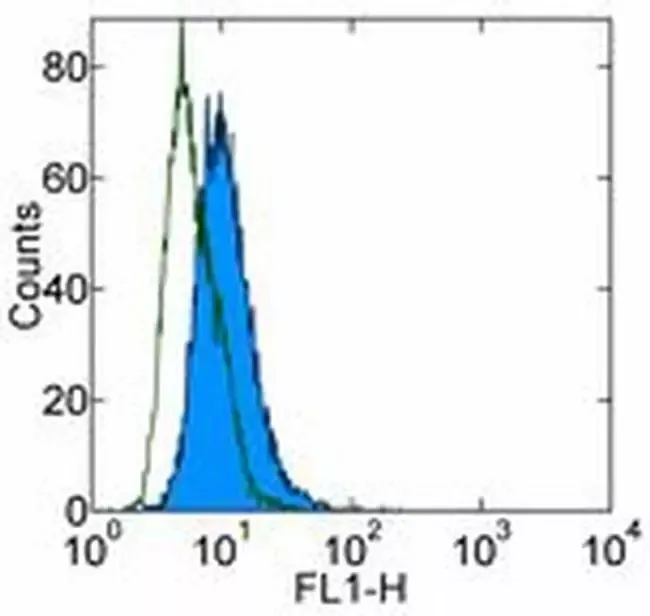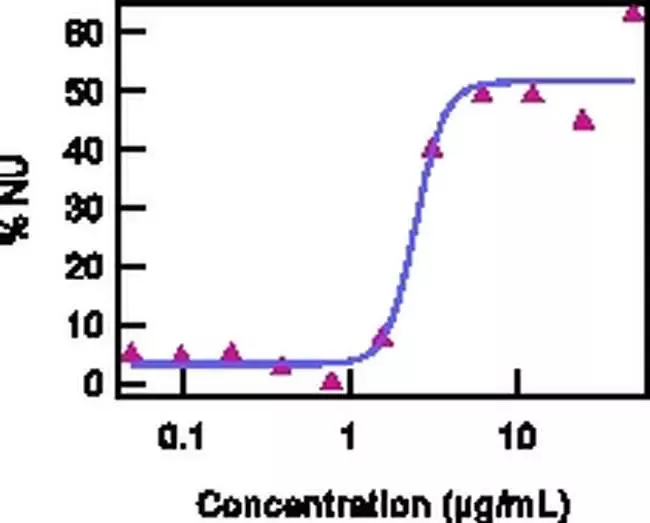
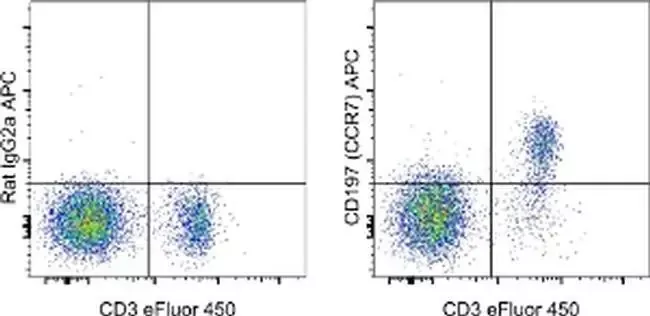
Rat Monoclonal Antibody
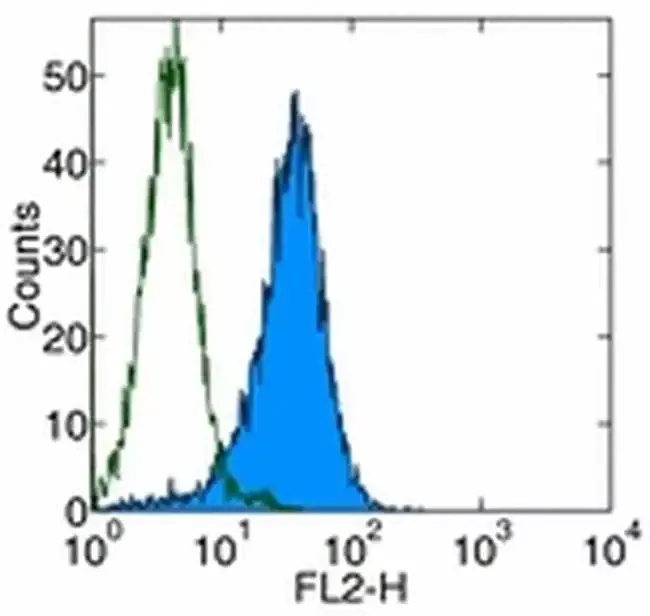
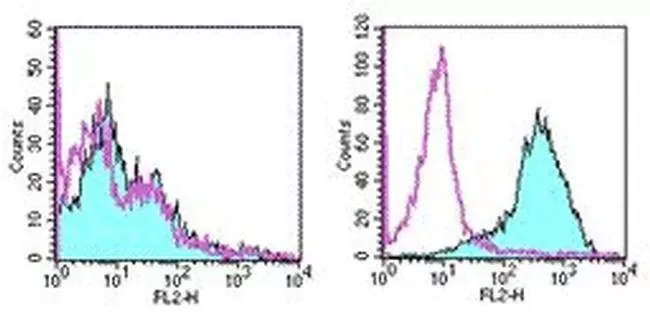
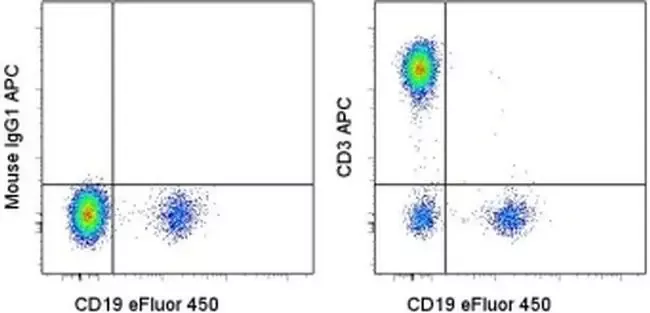
Description: The 4B12 monoclonal antibody reacts with mouse CCR7, also known as EBI-1 and CD197. CCR7 is a chemokine receptor for the chemokines CCL19 (CKβ11, ELC, MIP3β, Scya19, Exodus-3) and CCL21 (CKβ9, SLC, MIP2β, Scya21, Exodus-2). In recent years, the role of chemokines in directing the migration of lymphocytes has been well-characterized. One of the most important mediators of homeostatic trafficking of naive T cells to secondary lymphoid organs (SLO) is the chemokine receptor CCR7. Binding of its ligands, CCL19 and CCL21, mediates the trans endothelial migration of T cells across high endothelial venules into SLO. It has also been demonstrated that CCR7 plays a role in the localization of dendritic cells and B cells during an immune response.CCR7 is a chemokine receptor for the chemokines CCL19 (CKβ11, ELC, MIP3β, Scya19, Exodus-3) and CCL21 (CKβ9, SLC, MIP2β, Scya21, Exodus-2).In addition to its significant role in the chemotaxis of lymphocytes, human CCR7 has also been recognized as a marker for a distinct subset of memory T cells, the central memory (TCM) population. These cells are characterized by the expression of CCR7 and CD62L and reside within peripheral lymphoid organs. CCR7 also plays a role in thymocyte development and its deficiency leads to disturbed thymic architecture, aberrant T cell development, and limited thymocyte expansion.
CCR7 is a member of the G-protein-coupled chemokine receptor family with seven membrane-spanning domains and functions as a receptor for 6Ckine/SLC (secondary lymphoid-tissue chemokine), CCL19 and CCL21. CCR7 has been shown to be internalized via clathrin-coated pits and the majority recycled back to the plasma membrane. CCR7 is expressed on T cells and can be used to distinguish populations of naive from central and effector memory T cells. CCR7 has been shown to play a role in migration of memory T cells to inflamed tissue. Expression of CCR7 is also found on DC’s. During DC maturation CCR7 expression increases and is thought to be involved in a variety of functions: chemotaxis to the lymph node, cellular architecture, rate of endocytosis, survival and maturation. Trusted Sustainability Partner
Suppliers who meet our established requirements for corporate social responsibility
Learn More” alt=”TRUSTED_SUSTAINABILITY” title=”TRUSTED_SUSTAINABILITY” />